
Interested in Exploring Hypnotherapy?


Hypnosis in Early Civilizations
Hypnotherapy has a rich and diverse history that dates back to ancient civilizations. The practice of hypnosis can be traced to the ancient Egyptians and Greeks, who used trance-like states in their healing rituals. The term “hypnosis” itself comes from the Greek word “hypnos,” meaning sleep, although hypnosis is a state of focused awareness rather than sleep.

Franz Anton Mesmer
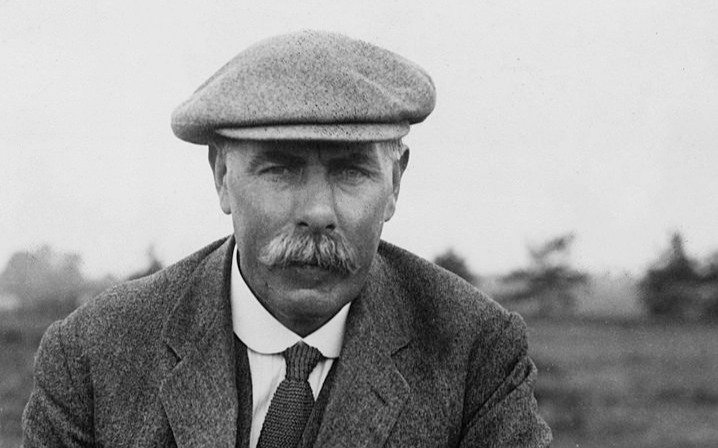
James Braid’s Legacy
The 19th century saw significant advancements with the work of James Braid, a Scottish surgeon who is often considered the father of modern hypnotism. Braid coined the term “hypnotism” and developed techniques that are still in use today. His work helped to demystify hypnosis and establish it as a legitimate scientific practice.
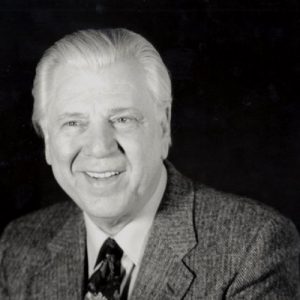
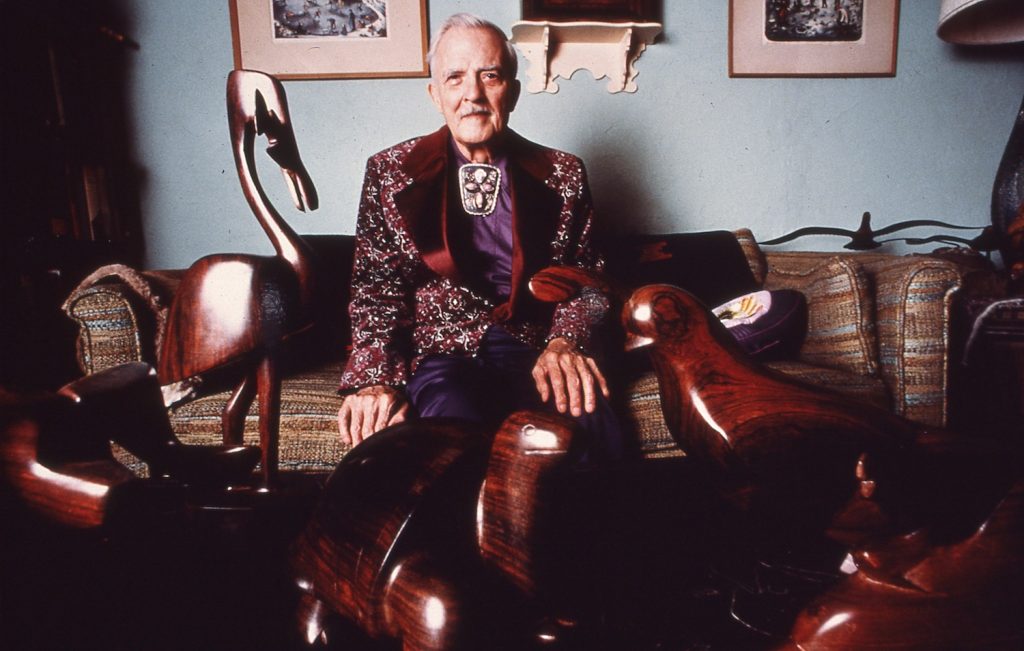

Erickson and Boyne
In the 20th century, pioneers like Milton H. Erickson and Gil Boyne further developed the therapeutic use of hypnosis. Erickson’s innovative techniques and his emphasis on the individualized nature of hypnosis greatly influenced the field. Boyne, a renowned hypnotherapist and trainer, contributed significantly by popularizing hypnotherapy through his workshops and training programs, making it more accessible to practitioners and clients alike.
Their collective work demonstrated the potential of hypnosis to address a wide range of issues and promote overall well-being. The enduring influence of these early thinkers and practitioners continues to shape the practice of hypnotherapy today.
The Pioneer of the Mind-Body Connection
The Mind, Faith, and Spiritual Evolution
Where are we today?
Today, hypnotherapy is widely recognized and respected as a powerful tool for personal transformation and growth. It is used by healthcare professionals, psychologists, and certified hypnotherapists to address various challenges and enhance overall well-being. Modern hypnotherapy combines traditional techniques with contemporary psychological understanding, making it an effective approach for promoting relaxation, improving focus, and supporting positive behavioral changes.
The practice of hypnotherapy has evolved to include a range of specialized techniques such as Neuro-Linguistic Programming (NLP), parts therapy, breathwork, regression therapy, and eye movement therapy. These approaches enhance the effectiveness of hypnotherapy and provide clients with personalized and comprehensive care.
Modern hypnotherapy is also supported by growing scientific research. Studies have documented the positive effects of hypnosis on the brain, including its role in enhancing neuroplasticity—the brain’s ability to reorganize itself by forming new neural connections. This ability is crucial for learning, memory, and recovery from brain injuries. Research has shown that hypnotherapy can effectively influence brain function, leading to significant improvements in various areas of life.
Advancing the Field of Hypnotherapy
Building upon the groundwork laid by pioneers like Gil Boyne, Matthew J. Brownstein has emerged as a leading figure in 21st-century hypnotherapy. As an educator, author, and innovator, Brownstein has played a pivotal role in advancing hypnotherapy’s global accessibility and understanding. His visionary contributions include founding the Institute of Interpersonal Hypnotherapy, International Association of Interpersonal Hypnotherapists, and the Online Monastery. Through these initiatives, Brownstein bridges traditional methods with modern techniques, setting a benchmark for hypnotherapy education and practice. The Institute of Interpersonal Hypnotherapy emphasizes ethical practice, client-centered approaches, and the integration of mind, body, and spirit, preparing practitioners to provide transformative, high-quality services. The Online Monastery reflects Brownstein’s commitment to spiritual growth, offering a space for deeper exploration and development, while the International Association of Interpersonal Hypnotherapists fosters a global community of collaboration and excellence.






Need help? Request a call now – we're here to assist you!
Where Are We Going?
The future of hypnotherapy looks promising as research continues to validate its effectiveness and uncover new applications. Advances in neuroscience are providing deeper insights into how hypnosis affects the brain, refining and improving hypnotherapeutic techniques. This evolving understanding positions hypnotherapy alongside other therapeutic modalities, such as cognitive-behavioral therapy (CBT) and mindfulness practices, to create more holistic mental health care plans.
As awareness of mental health issues increases, so does the acceptance and demand for hypnotherapy. The field is likely to expand, with more practitioners incorporating hypnotherapy into their practices and more clients recognizing its value as a powerful tool for personal growth and well-being.
Technological Advancements and Global Initiatives
Innovations such as virtual reality and biofeedback are also poised to enhance the practice of hypnotherapy. These tools can create more immersive and tailored hypnosis experiences, making hypnotherapy more accessible and effective for a broader audience.
Luis Gallardo, founder of the World Happiness Foundation, is a visionary in the field of global well-being. His initiative, “10 Billion Happy by 2050,” aligns with the principles of hypnotherapy by emphasizing emotional well-being as a fundamental human right. In support of this global initiative, Matthew J. Brownstein created the 10 Billion Happy Meditation, designed to inspire individuals and practitioners to embrace and promote emotional well-being worldwide.

Guiding the Field Toward Transformation
Matthew J. Brownstein’s leadership continues to shape the future of hypnotherapy. While his pioneering contributions through the Institute of Interpersonal Hypnotherapy, the Online Monastery, and the International Association of Interpersonal Hypnotherapists have established foundational practices, his ongoing efforts are paving the way for broader adoption and innovation in the field. Brownstein remains a driving force in aligning hypnotherapy with advancements in neuroscience, ethics, and holistic wellness.
By advocating for accessible education, spiritual exploration, and ethical standards, Brownstein ensures that hypnotherapy evolves with integrity while meeting the demands of a rapidly changing world. His collaboration with global leaders like Luis Gallardo reflects his commitment to empowering practitioners and clients alike, positioning hypnotherapy as a key modality in achieving emotional and mental well-being on a global scale.

Supporting You on Your Path to Wellness
500+ Hours of Dedicated Training
With over 500 hours of specialized training, I am committed to providing you with the highest quality care and expertise in hypnotherapy.
Tailored Just for You
Each hypnotherapy session is uniquely tailored to your individual needs, ensuring a personalized approach to help you achieve your goals and aspirations.


What Clients Are Saying
The experience was truly transformative. I felt supported, understood, and empowered throughout the process. Highly recommended!"
Rhonda W.
Professional, compassionate, and incredibly effective. I noticed a real change in my mindset after just a few sessions.
Lisa J.
I was skeptical at first, but the results spoke for themselves. My confidence and clarity have improved so much.
Johns B
A safe and calming space where I could truly focus on myself. Every session brought new insights and breakthroughs.